
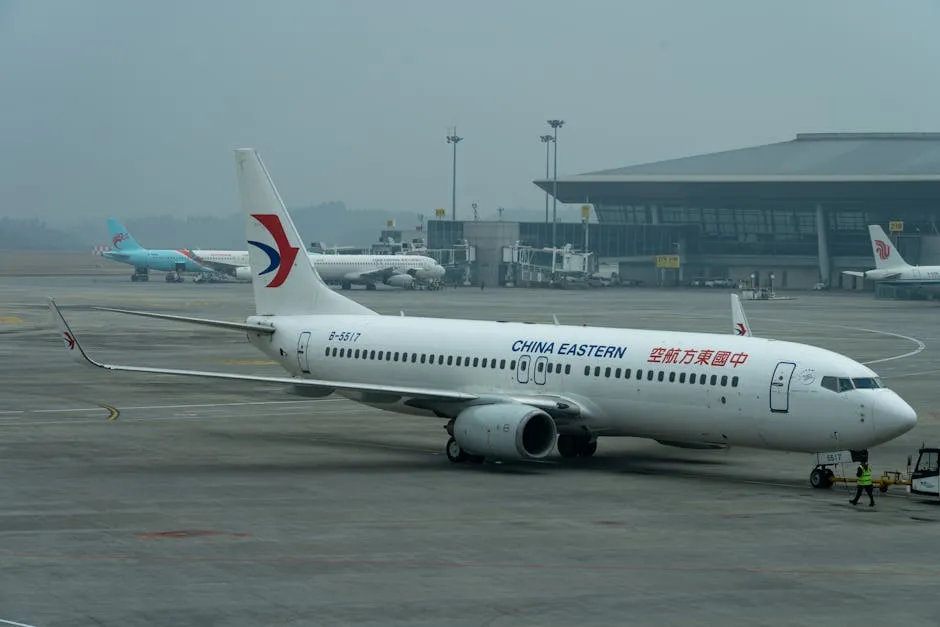
U.S. airlines are implementing significant fare increases as they grapple with soaring fuel costs, yet travelers continue to book flights in record numbers. This trend highlights a robust demand for air travel, even in the face of rising expenses.
Airline executives attribute the fare hikes to a sharp increase in fuel prices, which have surged due to geopolitical tensions and fluctuating oil markets. The average cost of jet fuel has climbed nearly 50% over the past year, forcing airlines to adjust their pricing strategies to maintain profitability.
Despite the higher costs, data from the Transportation Security Administration (TSA) shows that airport passenger numbers remain strong. Recent figures indicate that daily traveler counts are nearing pre-pandemic levels, suggesting that consumer appetite for travel is resilient.

Airline executives have expressed optimism about the sustained demand for air travel. “Our customers are ready to travel, and they are willing to pay for it,” said a spokesperson for a major U.S. airline. “We've seen an increase in bookings across all segments, from leisure to business travel.”
Travelers are booking trips for various reasons, including family gatherings, vacations, and business commitments. Many have taken advantage of advance booking options, despite the higher prices. This indicates a willingness to prioritize travel plans despite economic uncertainties.
Experts believe that the ongoing demand for travel could be attributed to several factors. An increase in remote work has provided more flexibility for travelers, allowing them to take trips during off-peak times. Additionally, pent-up demand from years of pandemic restrictions continues to drive interest in travel.
While some travelers express concern over rising fares, many are choosing to book flights rather than postpone their travel plans. Industry analysts note that travelers have become accustomed to fluctuating airfares and are making informed choices based on their travel needs.
In response to the fare increases, several airlines have introduced new fare classes and flexible ticket options. This strategy aims to cater to a broader range of travelers, including those seeking budget-friendly options during high-demand periods.
The fare hikes come amid a broader recovery within the travel industry, which has rebounded significantly since the height of the COVID-19 pandemic. Airlines have reported increased revenue and are working to expand their routes to accommodate growing demand.
However, the situation remains fluid, with fuel prices continuing to be a determining factor in airfares. The potential for further increases looms as analysts predict ongoing volatility in oil markets. Airlines are closely monitoring these fluctuations and adjusting their pricing strategies accordingly.
Travelers are advised to remain vigilant when booking flights, as fare changes can occur rapidly. Many experts recommend comparing prices across different airlines and utilizing fare alerts to secure the best deals.
In conclusion, U.S. airlines are raising fares to offset rising fuel costs, yet travelers are still booking flights in large numbers. This trend signals a strong demand for air travel, fueled by factors such as flexibility in work arrangements and a desire for leisure activities. As the travel industry continues to evolve, both airlines and consumers will have to navigate the challenges posed by rising operational costs.
