
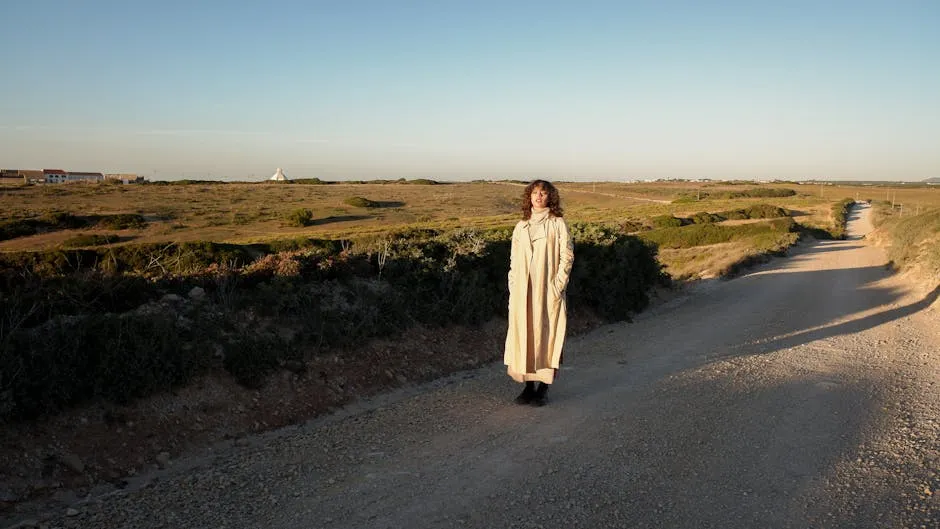
Creative minds from various fields have shared their favorite walking spots, revealing how these ambles inspire their work and spark their imagination. Designers, architects, and poets alike have found that their most cherished places are not only destinations but also sources of creativity.
Philip Lim, the renowned fashion designer, cites Reykjavík, Iceland, as a top pick. He describes the city’s unique blend of nature and urban life as an ideal backdrop for introspection. Lim enjoys the crisp air and stunning landscapes, which he credits for rejuvenating his creative spirit. The city’s vibrant colors and artistic community further fuel his imagination as he strolls through its streets.
Architect Kengo Kuma shares a different perspective, favoring the serene banks of the Rio Grande in the United States. He appreciates the river's flowing energy and the surrounding landscape's tranquility. For Kuma, the walk along the river instills a sense of balance and harmony, essential elements that influence his architectural designs. The natural beauty encourages him to think about sustainability and the relationship between buildings and their environments.

Poet Joy Harjo finds solace in the woods of Oklahoma, near her childhood home. The lush greenery and the sounds of nature provide a retreat from modern life. Harjo emphasizes the importance of these walks in her writing process, using the experiences and sights to inform her poetry. The connection to her roots and the landscape around her fosters a deep sense of inspiration.
Other creatives have also shared their favorite walking spots, revealing a common thread: the interplay between nature and urban environments. Many noted how walking allows them to escape the pressures of their professions, offering a space to breathe and think. Walking becomes a form of meditation, where ideas can flow freely without distractions.
Fashion designer Stella McCartney prefers the coastal paths of her native England. The dramatic cliffs and sweeping ocean views provide an ever-changing canvas that fuels her design philosophy. McCartney finds that the rhythm of the waves and the salty air invigorate her, making her walks both restorative and creatively stimulating.
Visual artist Olafur Eliasson takes inspiration from the landscapes of his native Denmark. He often walks along the coast, where the changing tides and weather prompt him to reflect on the impermanence of life. Eliasson believes these walks are essential for his work, connecting him to the elements he often incorporates into his installations. The experience of walking becomes a dialogue between the artist and nature.
Meanwhile, author Pico Iyer highlights the importance of walking in urban environments, specifically in cities like Tokyo. Iyer revels in the juxtaposition of bustling life and moments of solitude found in city parks. He views walking as a way to connect with people and ideas, providing a bridge between cultures and experiences.
The shared experiences of these creative individuals underline the significance of walking as a tool for inspiration. Whether it’s the vastness of nature or the hustle of city life, each location provides a unique perspective that shapes their work.
As cities continue to grow and change, the act of walking remains a vital practice for many. It’s through these leisurely ambles that creativity flourishes, allowing artists and thinkers to engage with the world around them. The simple act of walking not only clears the mind but also opens it to new possibilities and ideas, making it an essential part of the creative process.
In a world increasingly dominated by screens and technology, these artists remind us of the power of stepping outside. The walks they cherish are not just physical journeys but also mental explorations that ignite their imaginations and fuel their passions.