
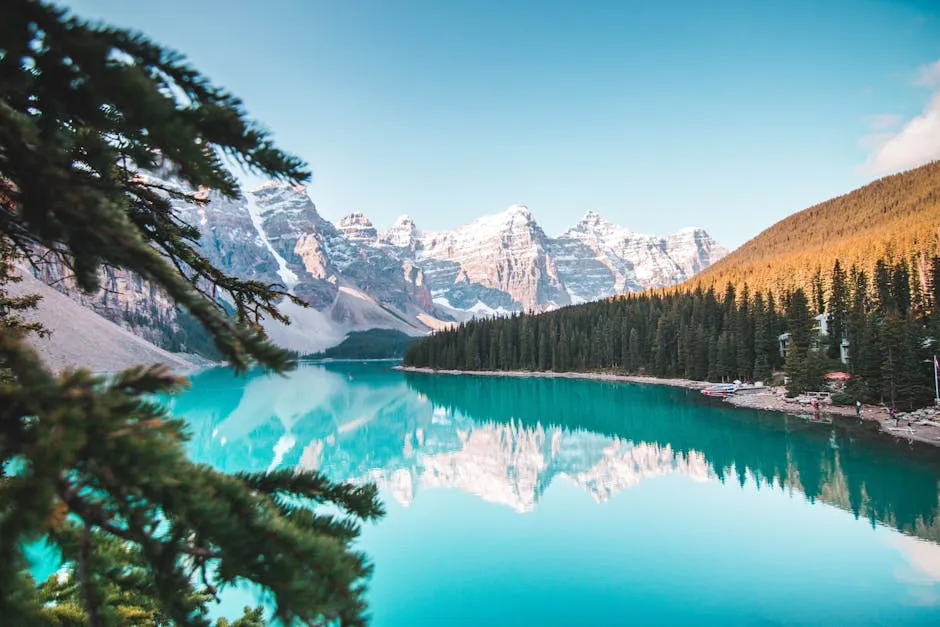
The Canadian natural wonder known as the Manicouagan Crater, formed over 200 million years ago by a massive meteorite impact, has captivated scientists and travelers alike. This striking geological feature, located in modern-day Quebec, measures approximately 100 kilometers in diameter and is visible from space, making it a unique destination for those interested in natural history and cosmic events.
The impact that created the Manicouagan Crater is believed to have been caused by a meteorite measuring around 5 kilometers wide. This cataclysmic event not only formed the crater but also significantly altered the surrounding landscape. Over millions of years, the crater has evolved into a stunning natural formation, with a lake at its center, often described as an "ocean in the sky" due to its vibrant blue color.
Travelers flock to the area for its breathtaking views and rich history. The crater is often included in adventure tours that highlight Quebec's stunning natural beauty. Visitors can hike nearby trails, enjoy birdwatching, or engage in water sports on the lake that fills the crater's center. The unique geological features provide a backdrop for photography, attracting both amateur and professional photographers.

Scientific interest in the Manicouagan Crater extends beyond its visual allure. Researchers study the impact's effects on Earth's geology and climate, as well as its potential connections to the mass extinctions that occurred during the Mesozoic era. The crater is also a valuable site for understanding the processes that shape planetary bodies, making it a point of interest for astrobiologists and geologists alike.
The Manicouagan Crater has also been designated as a UNESCO World Biosphere Reserve, recognizing its ecological significance. The region is home to diverse flora and fauna, including several species that thrive in its unique environment. This designation helps protect the area while promoting sustainable tourism practices.
For those planning a visit, several tour operators offer guided excursions to the crater. These tours often include informative sessions about the impact event, geological formations, and local wildlife. Additionally, visitors can access the crater through various points, including the nearby town of Baie-Comeau, which serves as a gateway to the region's natural attractions.
In recent years, the Manicouagan Crater has gained popularity on social media platforms, with users sharing stunning aerial photographs that showcase its distinctive ring shape. This newfound fame has led to increased interest in the area, with more travelers seeking to witness this natural marvel in person.
Local businesses have also benefited from the uptick in tourism, with restaurants and shops in Baie-Comeau seeing a rise in patrons. The local economy has adapted to accommodate the growing interest, offering guided tours, accommodations, and dining experiences that highlight the region's natural beauty.
While the Manicouagan Crater is a testament to a cataclysmic event from over 200 million years ago, it continues to be a source of wonder and exploration. Its striking appearance, combined with its rich geological and ecological significance, makes it a must-visit for those exploring Quebec's natural landscape.
As the world continues to embrace adventure travel, the Manicouagan Crater stands out as a reminder of Earth's dynamic history. For travelers and scientists alike, this natural wonder offers a unique glimpse into the forces that have shaped our planet, making it an unforgettable destination that combines beauty, history, and the thrill of exploration.